Sushi Doesn't Mean Raw Fish, and It's Time We Stopped Pretending Otherwise
A breakdown of what sushi actually is, why the raw fish myth persists, and why cooked sushi is just as legitimate—plus some proper terminology to impress people at dinner.

The Definition Nobody Wants to Hear
The Definition Nobody Wants to Hear
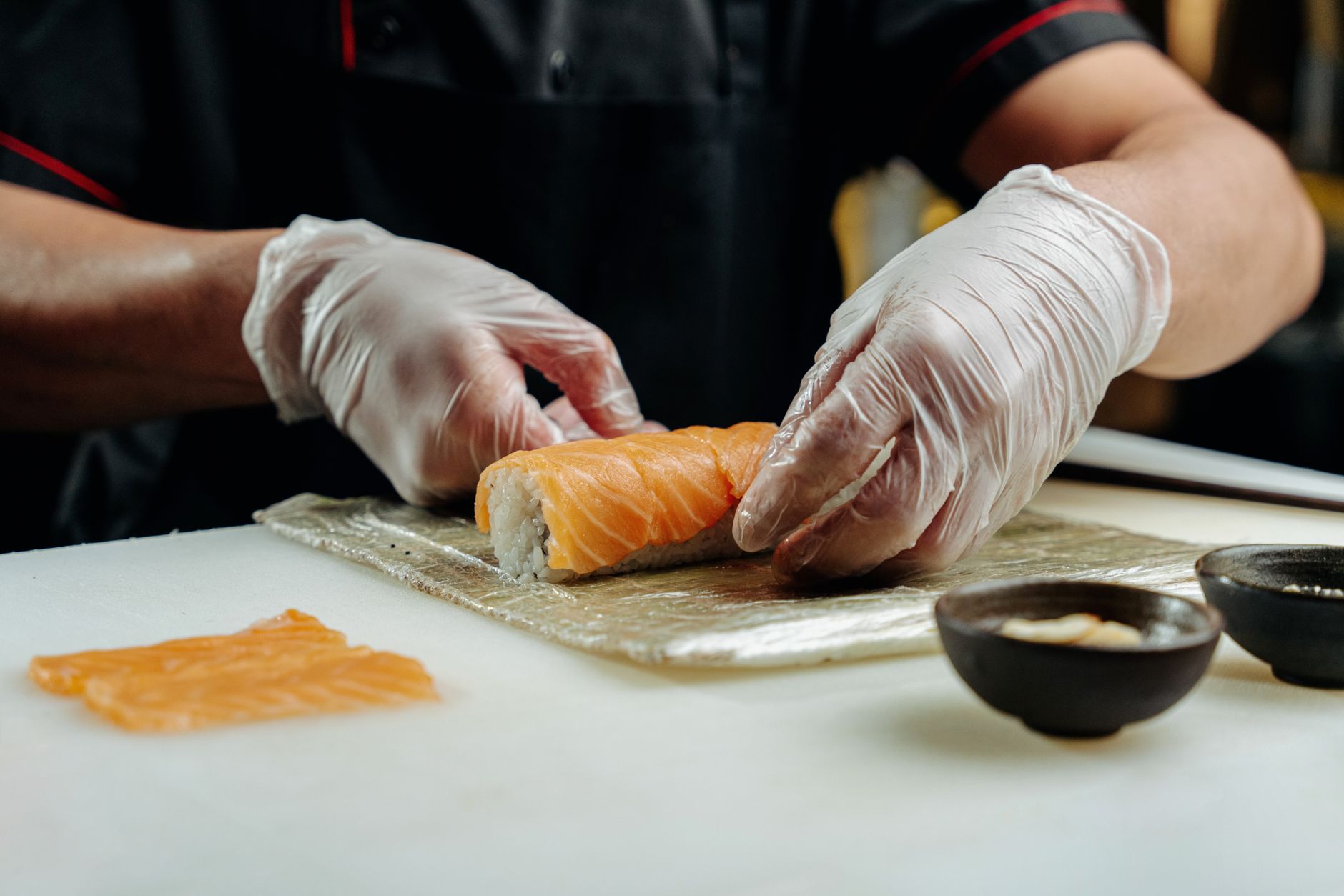
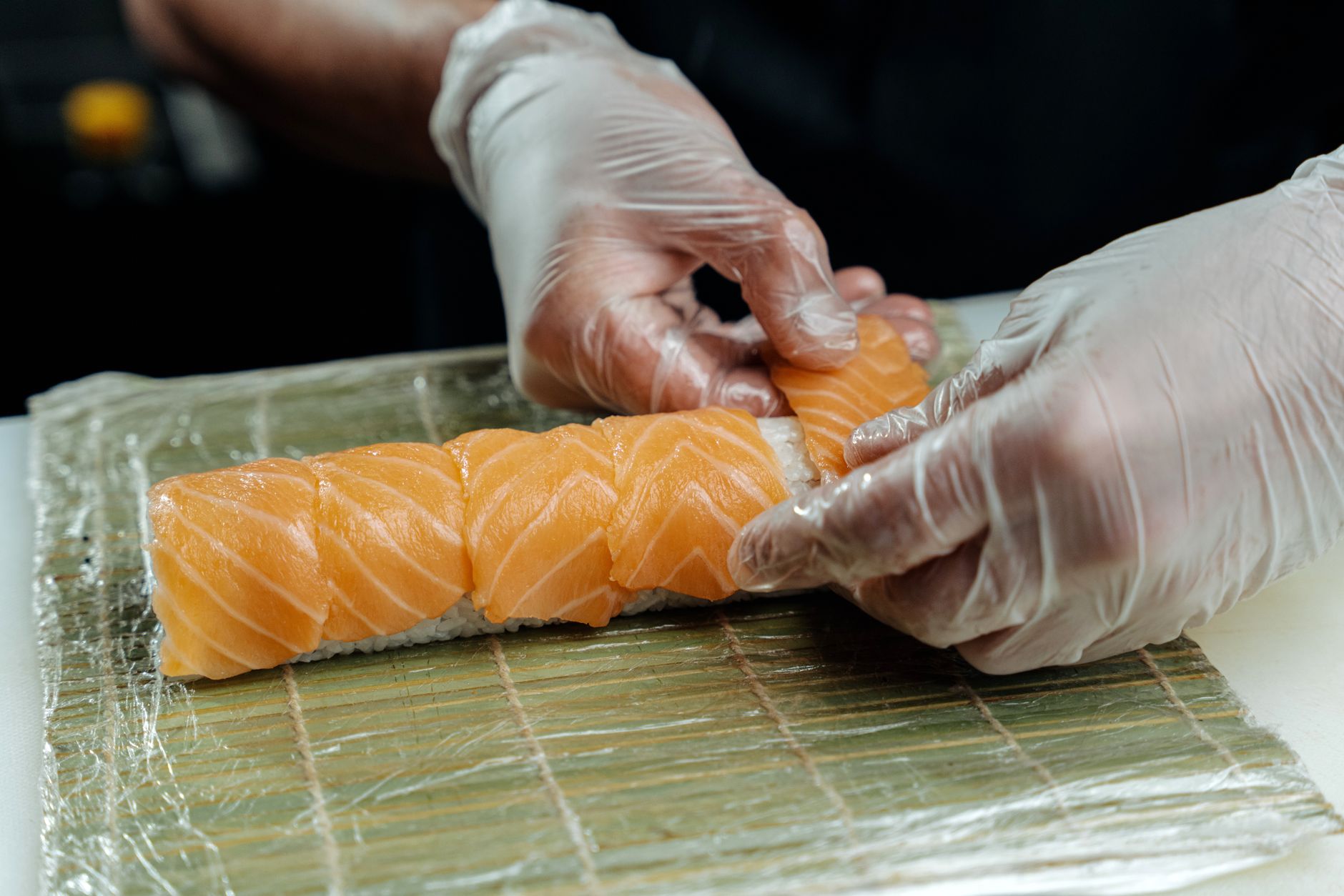
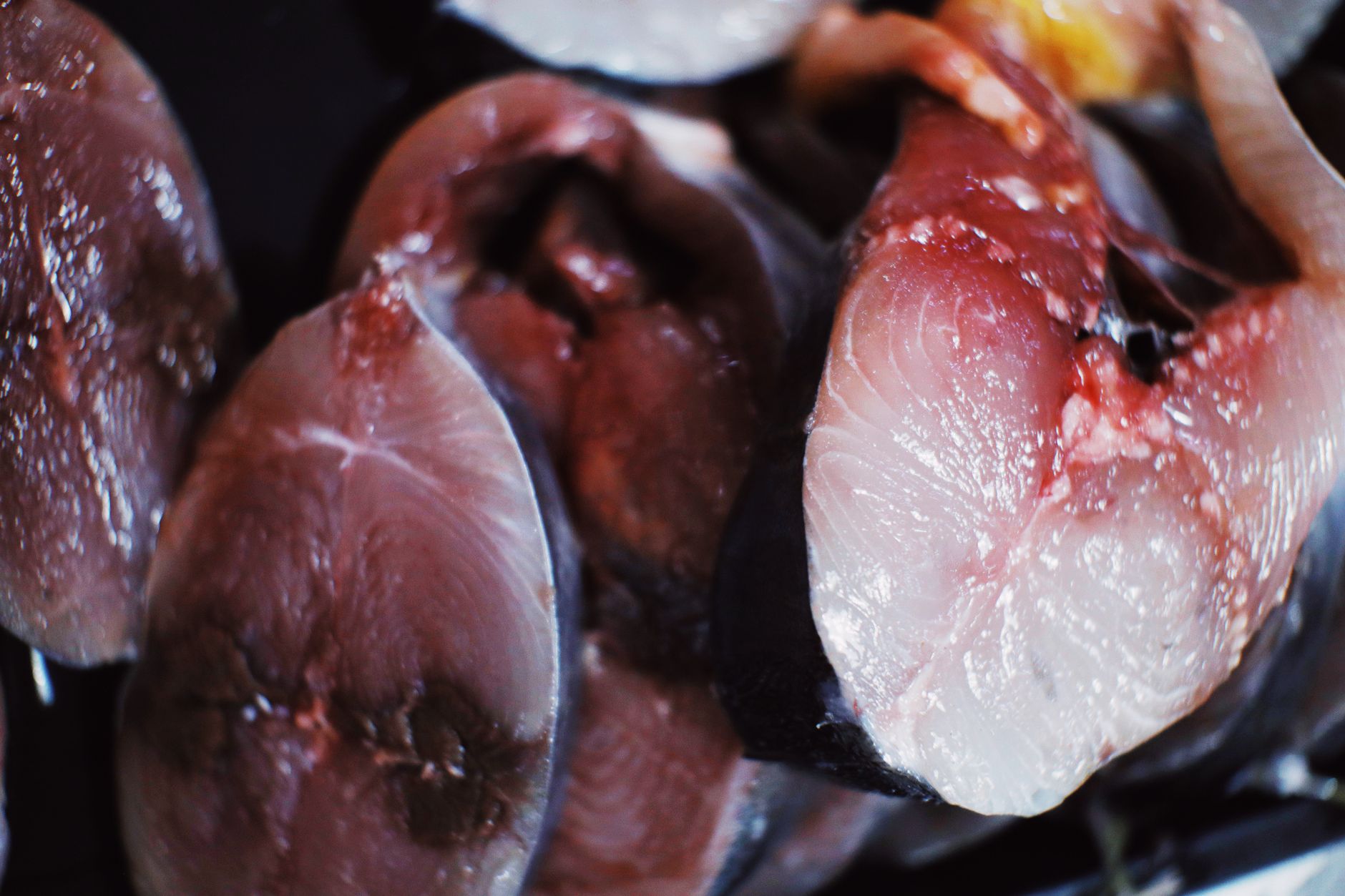
Here's the thing: sushi is vinegared rice. That's it. That's the definition. The topping—whether it's raw fish, cooked fish, vegetables, or a slice of omelette—is secondary. The rice is the star. It's seasoned with vinegar, sugar, and salt, and it's what makes sushi sushi. Western food media has spent decades selling us the idea that sushi = raw fish, which is not only wrong but also kind of insulting to the actual craft. A sushi chef spends years perfecting their rice. The temperature, the vinegar balance, the texture, the way it holds together—this is what separates a good sushi restaurant from a mediocre one. But sure, let's all obsess about whether the salmon is from Norway or Japan. The Japanese word for raw fish is sashimi. Sashimi is sashimi. Sushi is sushi. They're different things. If your sushi has no rice, it's not sushi—it's sashimi, and it's delicious, but call it what it is.
Why the Raw Fish Myth Won't Die
Why the Raw Fish Myth Won't Die
The Western sushi boom happened in the 1980s and 90s, and it coincided with a particular marketing angle: exoticism. Raw fish was weird. Raw fish was exciting. Raw fish was something you couldn't get at Applebee's. So restaurants leaned hard into it, and food writers followed suit, and suddenly sushi became shorthand for "that dangerous Japanese thing people are brave enough to eat." It's lazy branding, honestly. But it stuck because it's memorable and because it plays into the idea of Japan as this thrilling, slightly risky place where people do things differently. The reality—that sushi is a thoughtful, technically demanding cuisine built on centuries of tradition—doesn't sell as well in a soundbite. Also, let's be real: some Western sushi restaurants do lead with raw fish because it's easier to market than explaining rice fermentation to people who think vinegar is just something you use for cleaning.
Cooked Sushi Is Not a Compromise
Cooked Sushi Is Not a Compromise
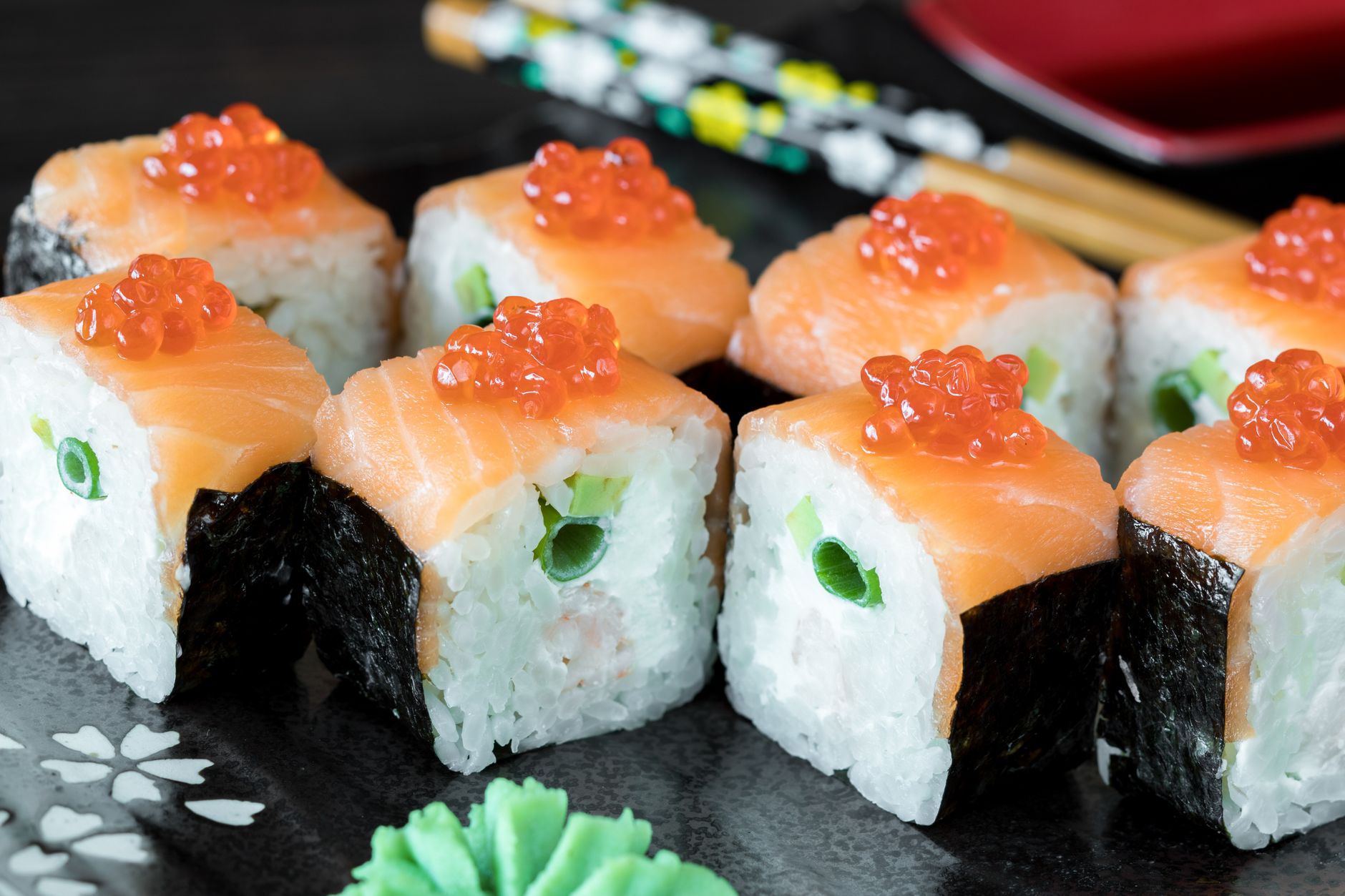
Tempura shrimp sushi. Grilled eel. Smoked mackerel. Cooked egg. These aren't "beginner sushi" or "sushi for people who are scared of raw fish." They're legitimate, traditional preparations that have been part of Japanese cuisine for generations. Unagi (eel) sushi is one of the most revered types, and it's always cooked. Nobody in Japan is apologising for it. The idea that cooked sushi is somehow less authentic or less impressive is pure Western gatekeeping. It's the same energy as insisting that "real" pizza only comes from Naples or that "real" whisky has to be Scottish. It's snobbish and it misses the point entirely. Cooked sushi can be more delicate, more nuanced, more interesting than raw fish. A perfectly grilled piece of fish has caramelised edges and concentrated flavour. A tempura prawn has texture and contrast. These are culinary achievements worth respecting.
What You Should Actually Know About Sushi Types
What You Should Actually Know About Sushi Types
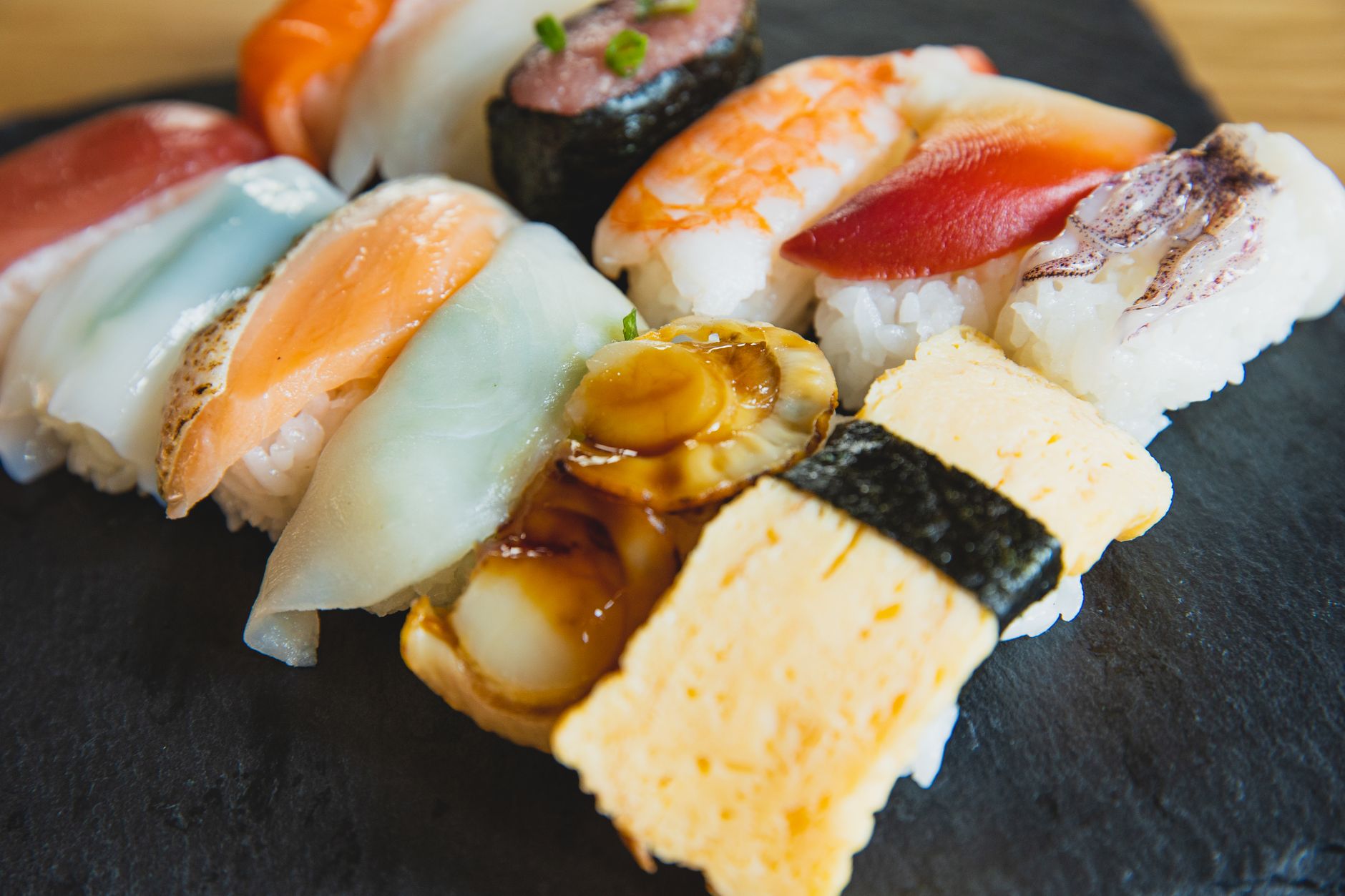
If you want to sound like you know what you're talking about, here's the vocabulary: nigiri is the hand-formed rice with a topping. Maki is rolled sushi. Chirashi is sushi rice in a bowl with toppings scattered on top. Sashimi is sliced raw fish without rice—it's a completely separate thing, but it's often served at sushi restaurants, which confuses people. Within those categories, you'll find everything from raw to cooked to vegetarian. Kani (crab) sushi is often imitation crab, which is cooked. Tamago (egg) sushi is cooked. Vegetable sushi is obviously not raw. None of these are "lesser" versions of sushi. They're all sushi. The point is: sushi is a framework, not a prescription. It's vinegared rice with something on top. What that something is depends on the season, the chef's preference, the restaurant's specialty, and what you actually want to eat. Revolutionary concept, I know.
How to Eat Sushi Like You Mean It
How to Eat Sushi Like You Mean It
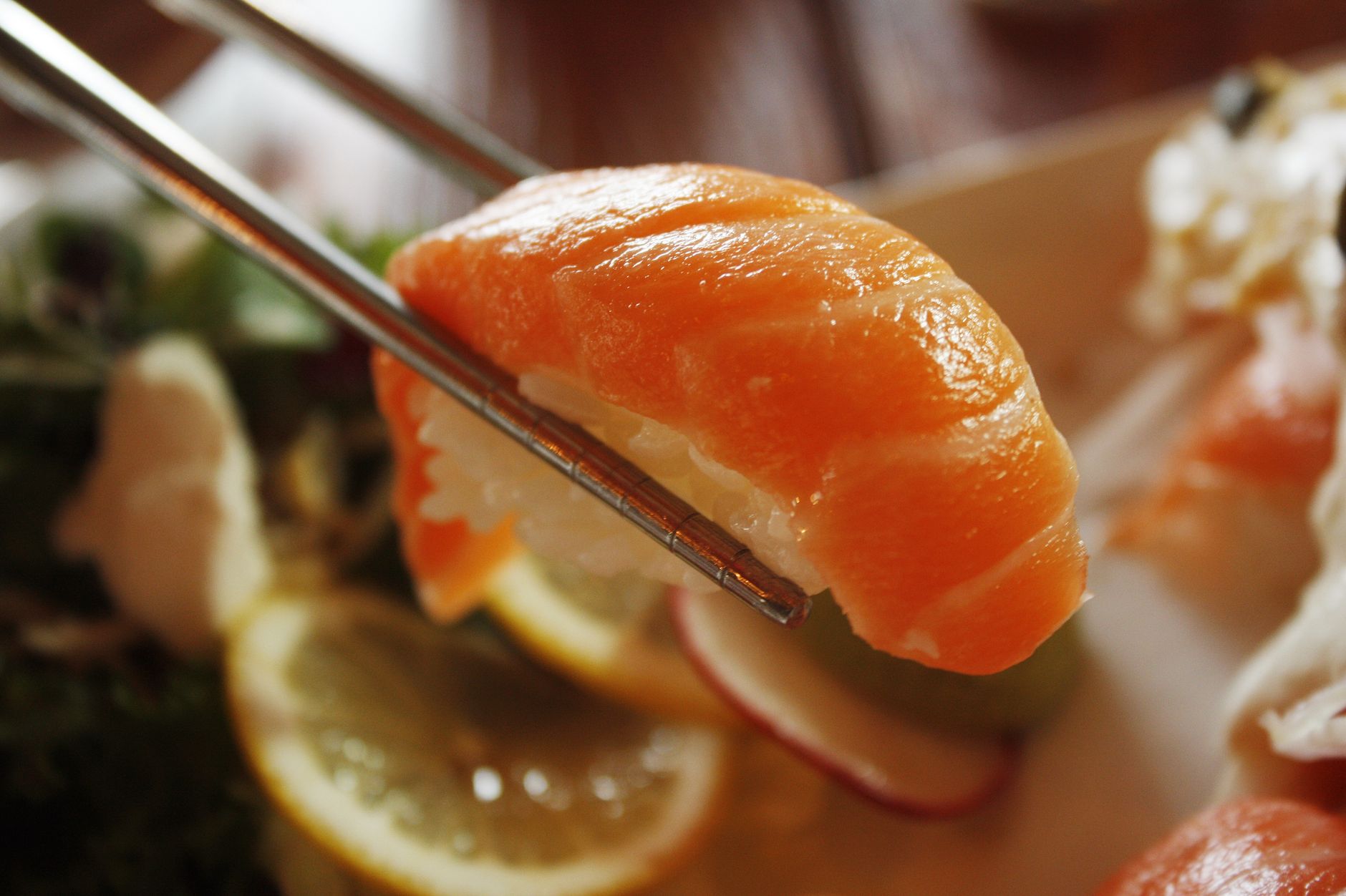
If you're going to eat sushi, pay attention to the rice. Taste it. Notice the balance of vinegar and sweetness. Feel the texture. This is where the skill is. The topping is just the vehicle. Don't drown it in soy sauce. A light dip—and only the topping touches the sauce, not the rice—is all you need. Ginger is a palate cleanser between pieces, not a topping. Wasabi is optional, and if the chef hasn't already put it between the rice and the topping, you don't need to add more. And please, for the love of all that is holy, eat it in one bite if it's nigiri. Don't break it in half. Don't take two bites. One bite. That's the whole point.
Related reads